MCP Server Audit: Security Before Agent Access
MCP makes an AI agent useful in a new way: it can reach beyond its chat window and work with files, databases, SaaS services, or internal tools.
Read moreHands-on briefings on the tools, models, and workflows of AI-native work — what installed cleanly, what broke, what got expensive, and what created real risk.
MCP makes an AI agent useful in a new way: it can reach beyond its chat window and work with files, databases, SaaS services, or internal tools.
Read more Warning
Codex is valuable because it can turn a well-bounded software task into visible work quickly.
Read more Avoid
AvoidA Denver–Las Vegas EV-planning test exposed invented charger details, bad route arithmetic, and safety-critical omissions that persisted after correction.
Read more Avoid
AvoidOur Hyperagent test recorded billion-scale cached-context use, four-figure cash charges, a separate $500.43 invoice, and $7.09 for two retrieval-only tasks.
Read more Updated
OpenClaw’s automation promise runs into token overhead, context bloat, zombie processes, and hard cost-control questions.
Read more Updated
ChatGPT Images 2.0 marks a step toward AI image tools that can handle readable text and layout with production discipline.
Read more New
NewAI was sold to companies as a software line item. It is turning into a variable utility bill with an opinionated workforce attached. A prompt that looks cheap in isolation can call tools, reopen context, retry…
Read more
Gstack turns Claude Code into a structured virtual development team, with strong developer adoption around repeatable AI workflows.
Read more
Kilo Code and KiloClaw pair open-source AI coding with managed agent hosting for operators who want flexibility.
Read more
Happycapy promises browser-based agent workflows, but the real test is whether its tool calls become coherent work.
Read more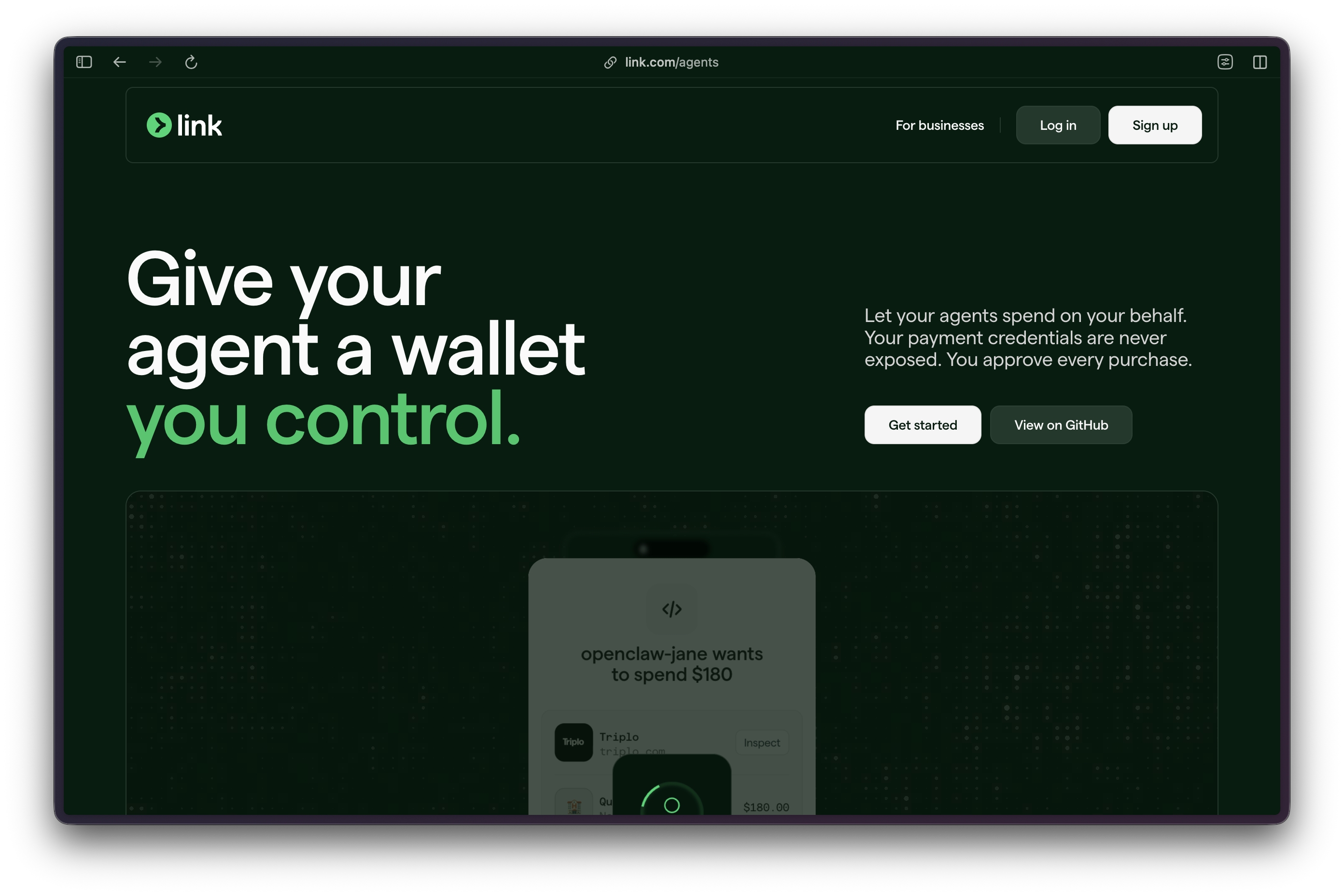 Updated
Stripe Link’s agent payments show how autonomous purchases can work with user approval and limited payment credentials.
Read more
OpenClaw can turn Discord channels into agent control rooms, but permissions and human oversight do the real work.
Read more
Frontier systems move AI from recommendations into physical execution, from robotic labs to autonomous inspection workflows.
Read more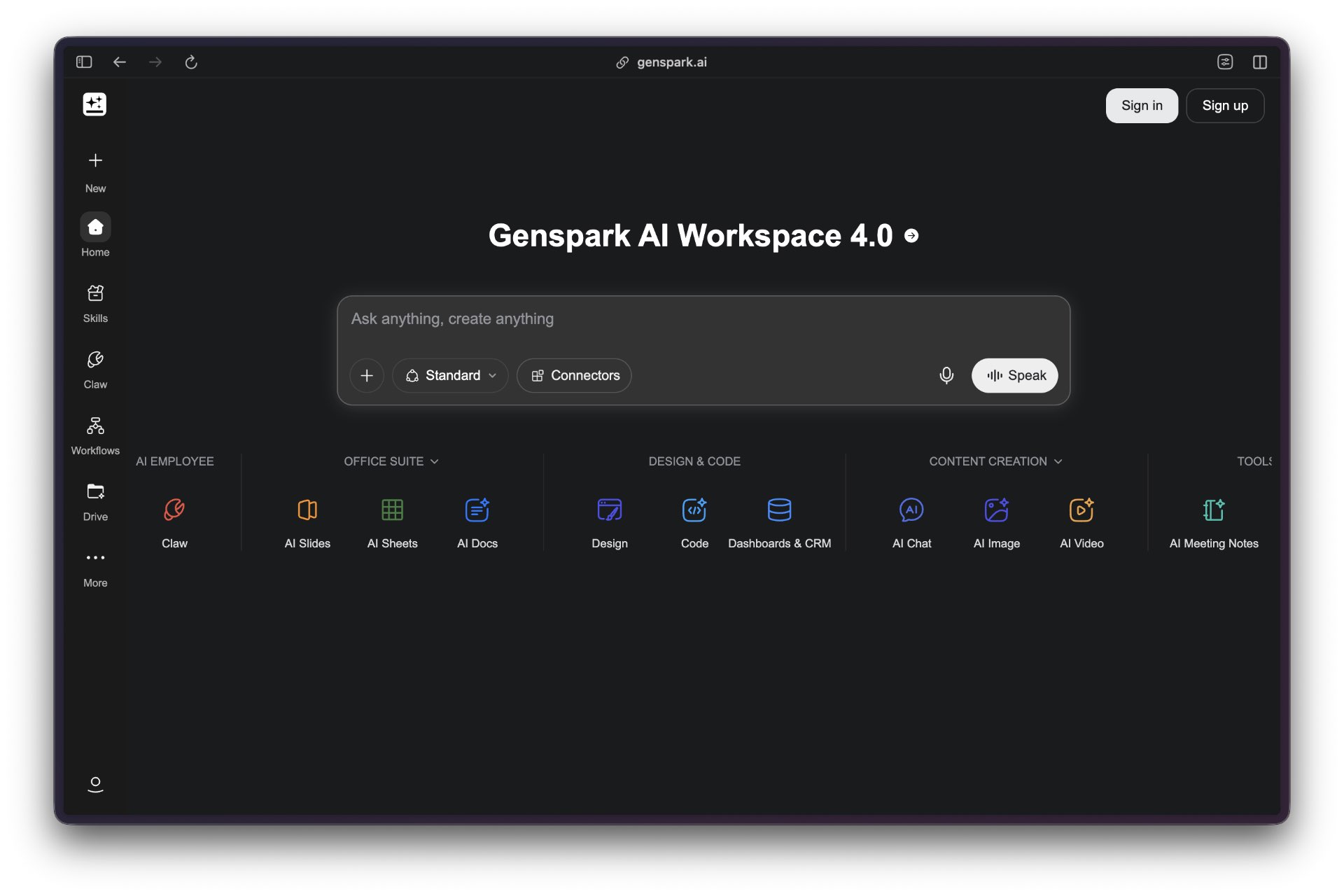
Genspark tries to turn scattered knowledge-work tools into one AI workspace built around a task-routing Super Agent.
Read more
Exceptional solo-scale companies show how agentic systems can stretch what one operator can build, but they are not simple templates.
Read more
Highlight AI is less about speed claims than reducing the friction before each AI interaction across desktop apps.
Read more
OpenClaw’s fast adoption shows real interest in local agents, but memory, context, and security still need guardrails.
Read more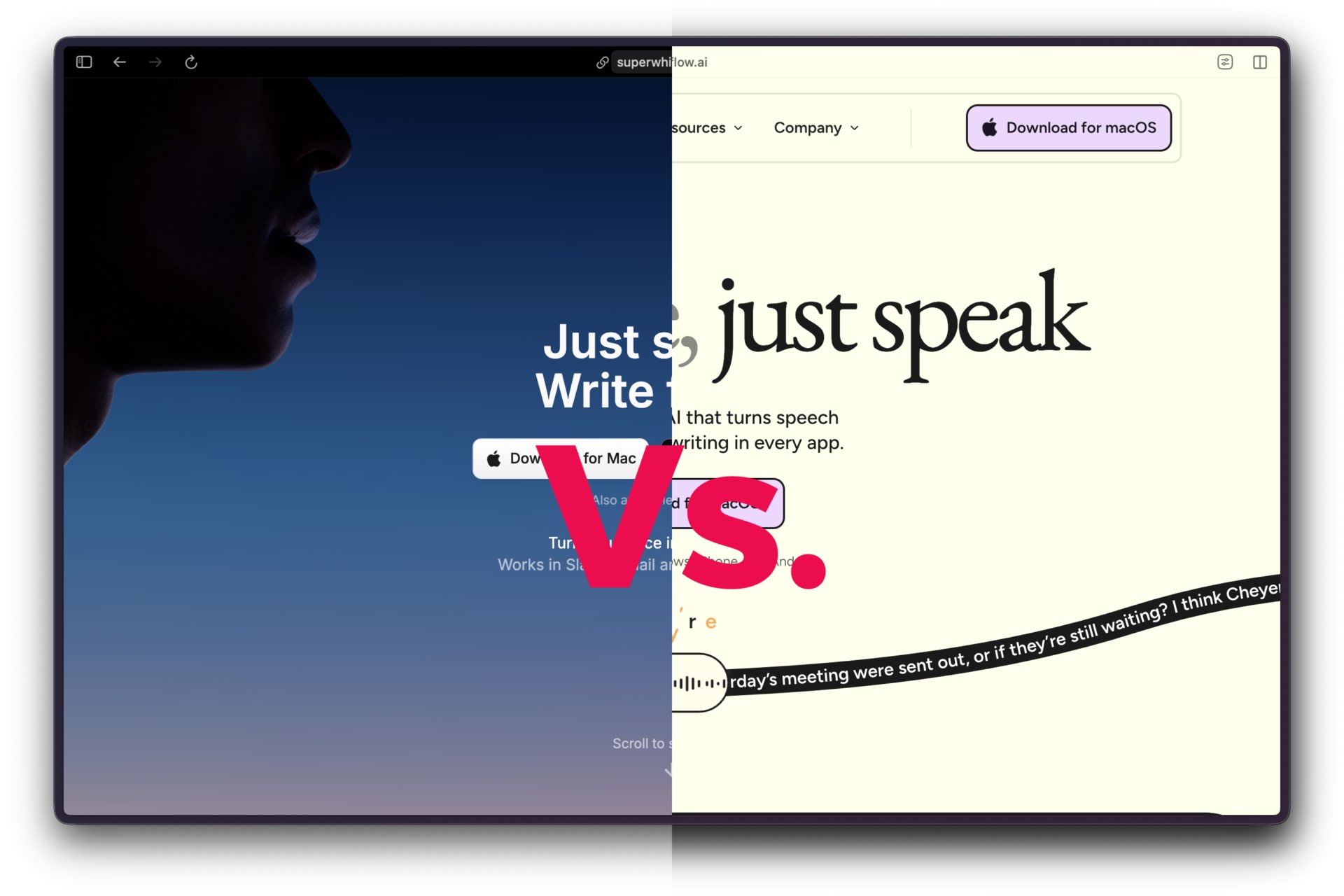
Superwhisper and Wispr Flow show two paths for voice AI: local control and privacy, or cloud polish across apps.
Read more
Google Antigravity shows how vibecoding shifts software work from writing every line to describing what should be built.
Read more
Agentic real estate engines aim to turn property data into action across tenant messages, maintenance, and financial workflows.
Read more
OpenClaw can support specialized agent swarms, but control depends on clear channels, roles, and human oversight.
Read more
Manus shows where autonomous agents are headed: persistent work surfaces that still require verification, permissions, and trust.
Read more
Codex Pets turn agent status into a desktop signal, making background coding work easier to notice and review.
Read more
Tank OS gives OpenClaw a hardened deployment path by packaging the runtime into a rootless Fedora-based image.
Read more
OpenClaw offers local control for AI agents, but its rapid growth comes with serious setup and security tradeoffs.
Read more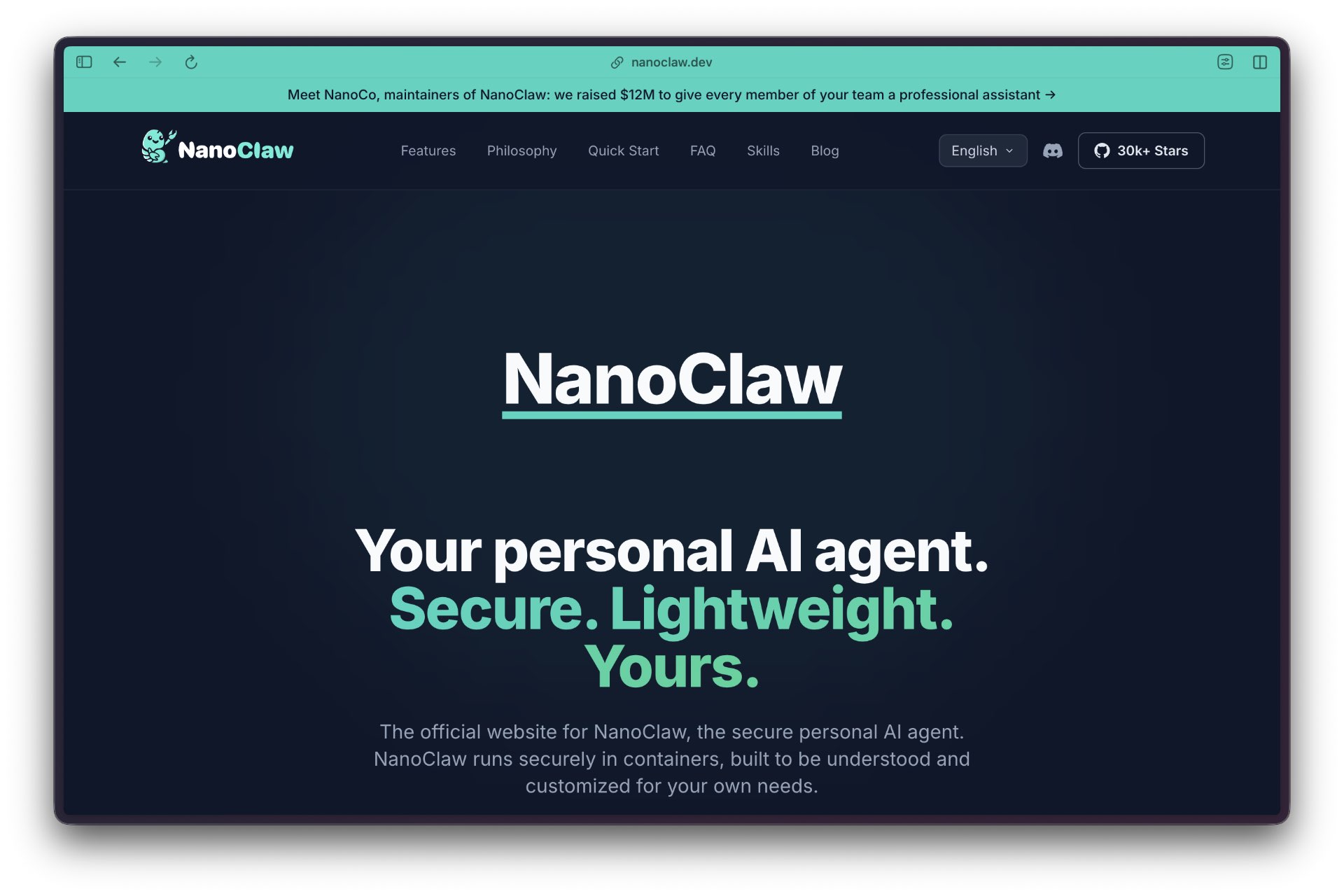
NanoClaw’s 500-line agent project drew attention by making isolation, not scale, the center of the agent story.
Read more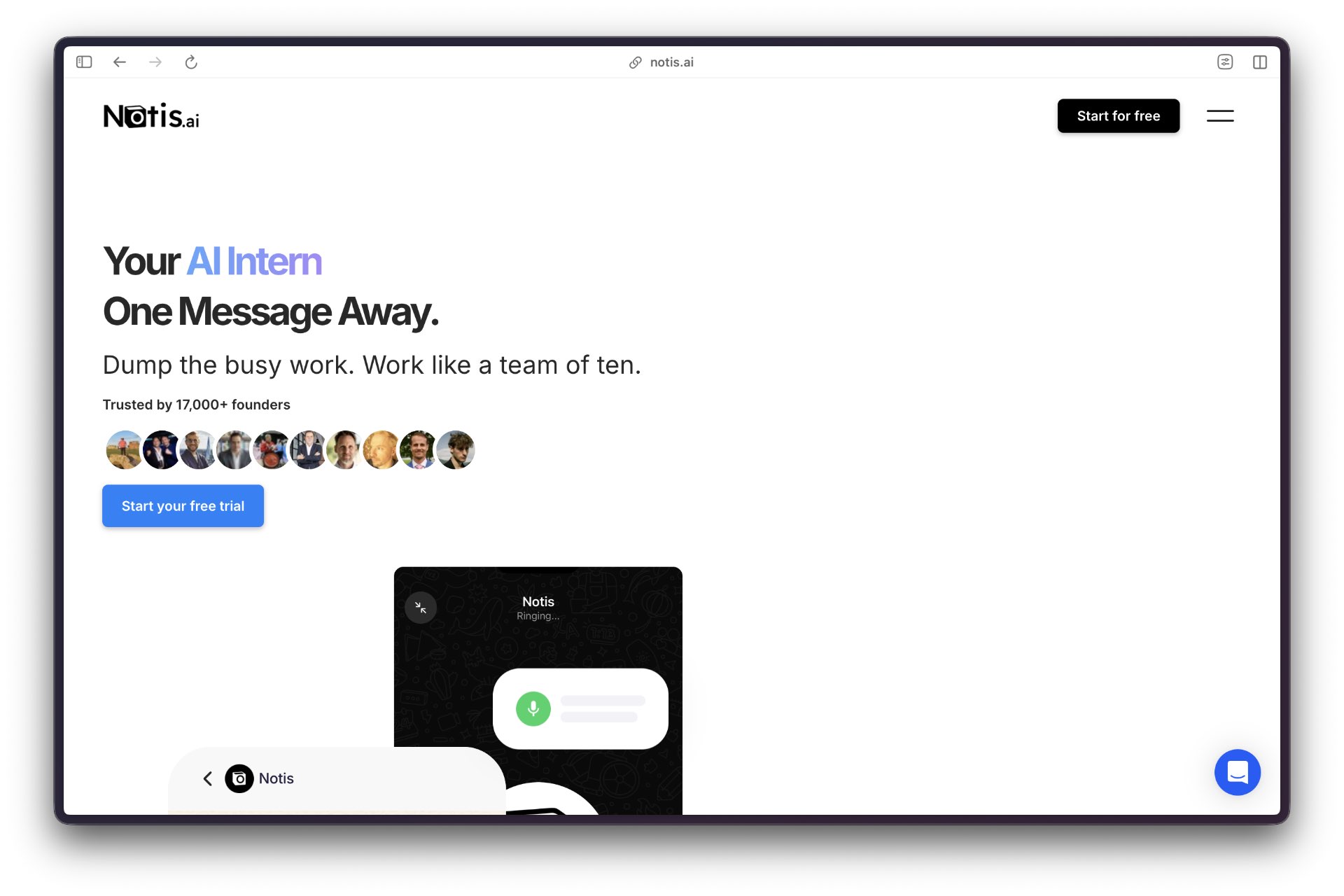
Notis.ai turns Notion into the operating surface for an AI assistant built around agentic workflows.
Read more
Claude’s Agent Teams show how multi-agent coding can speed complex builds when an orchestrator keeps the work aligned.
Read more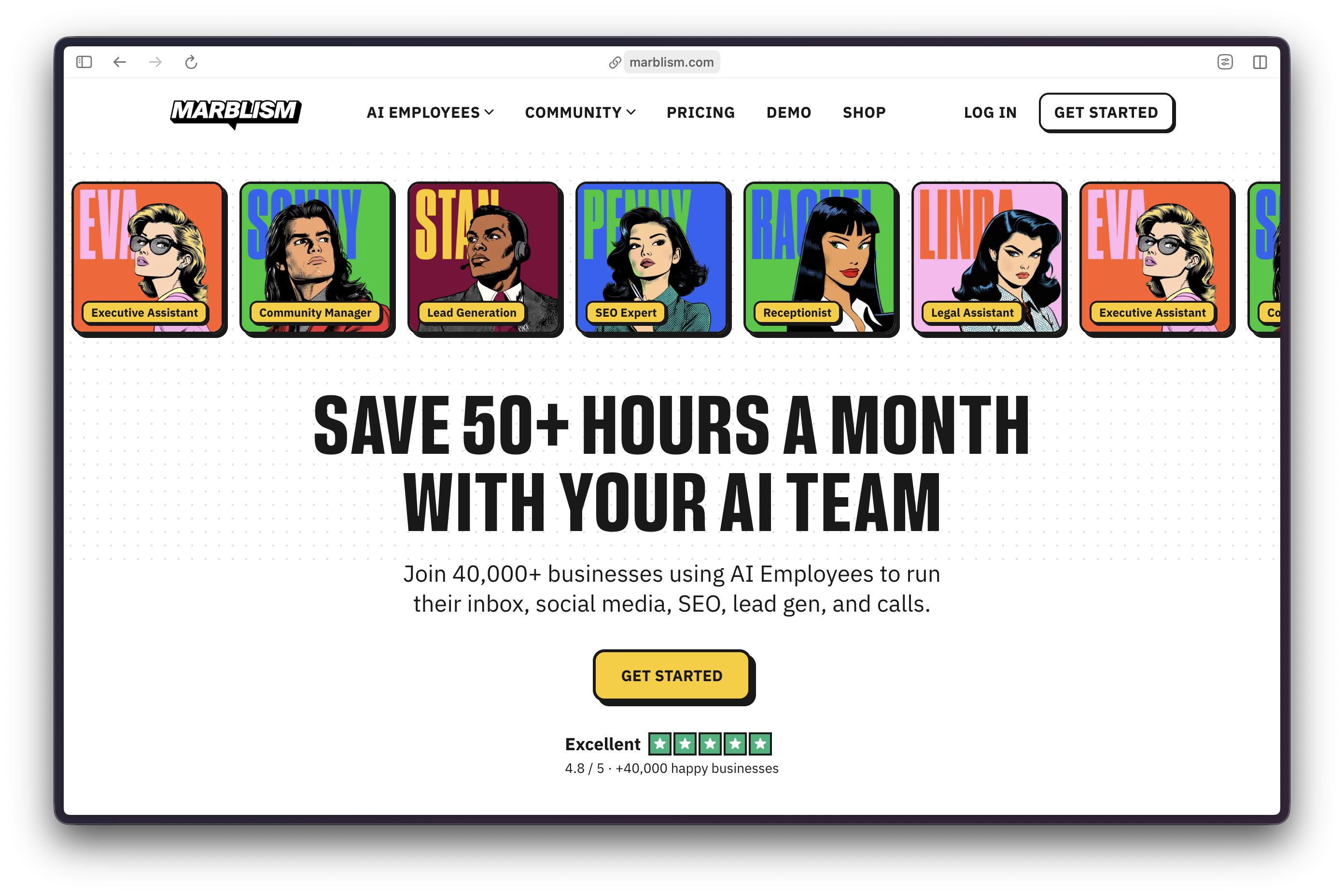
Marblism packages six specialized AI employees into one platform, making the AI worker pitch unusually literal.
Read more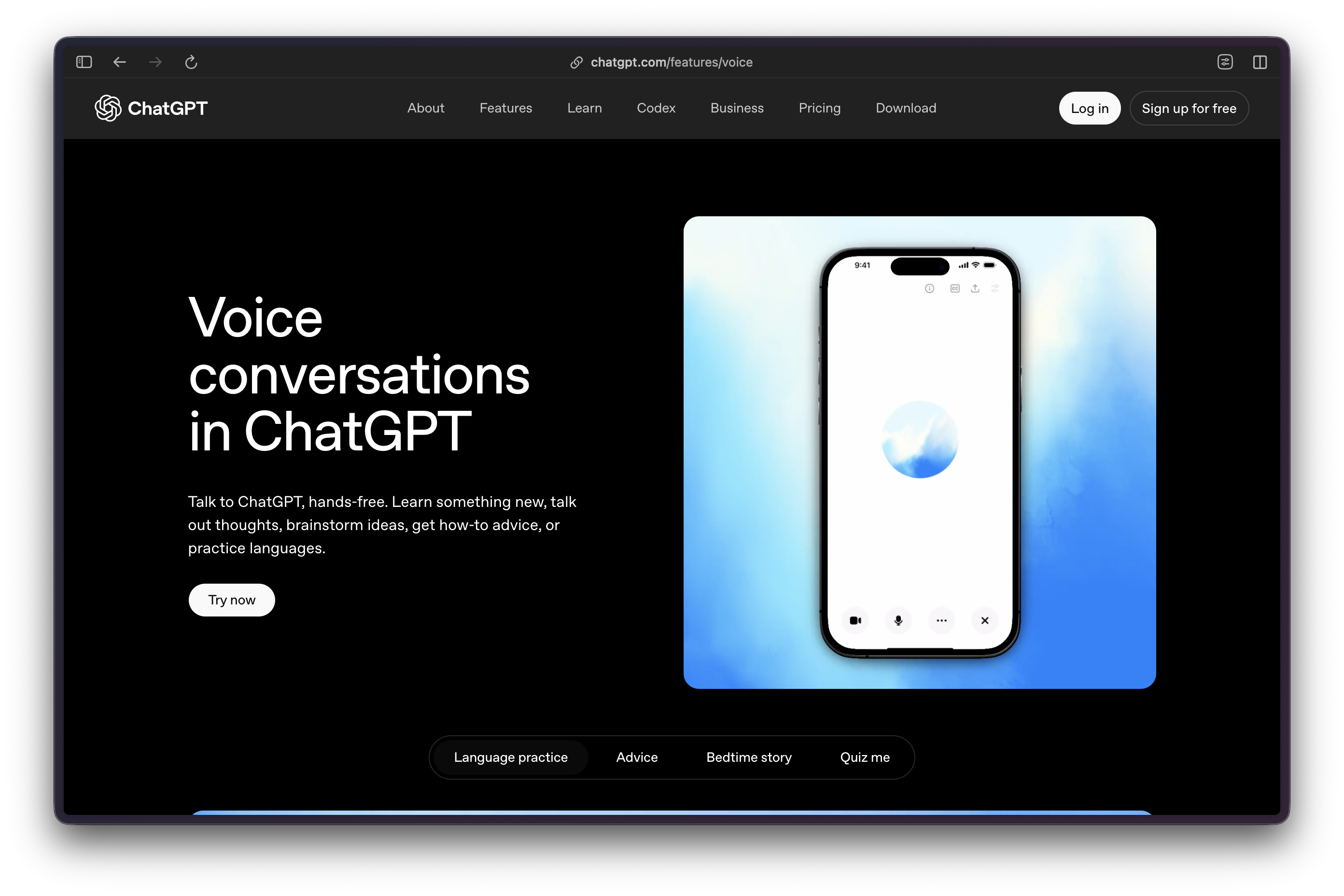 New
NewChatGPT Voice makes the assistant portable. A question, a half-formed idea, or a project check-in can happen on a walk, in a café, or between meetings instead of waiting for a keyboard. That is the ambient-AI…
Read more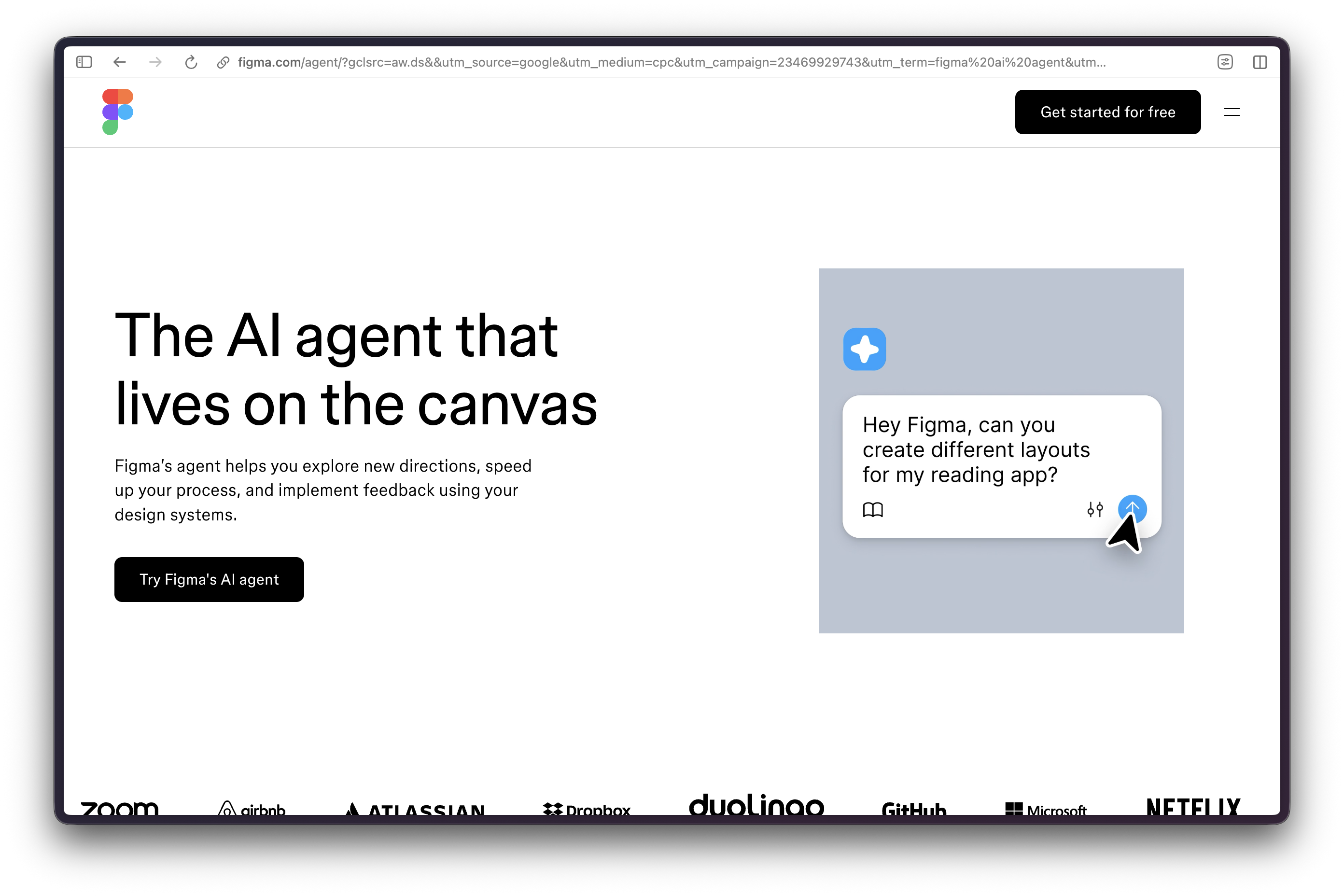 New
NewFigma’s design agent changes the first hour of design-system work. It can work directly on the canvas, use the components and variables a team has already established, and explore multiple directions before a…
Read more